Ensuring that the transport of radioactive materials on Nigerien territory — by road, air or rail — takes place in strict compliance with international safety standards, to protect workers, the public and the environment.
All transport of radioactive materials in Niger is subject to ARSN regulation, itself based on the IAEA Transport Regulations (TS-R-1 / SSR-6). These rules apply regardless of the mode of transport used: road, air, rail or maritime.
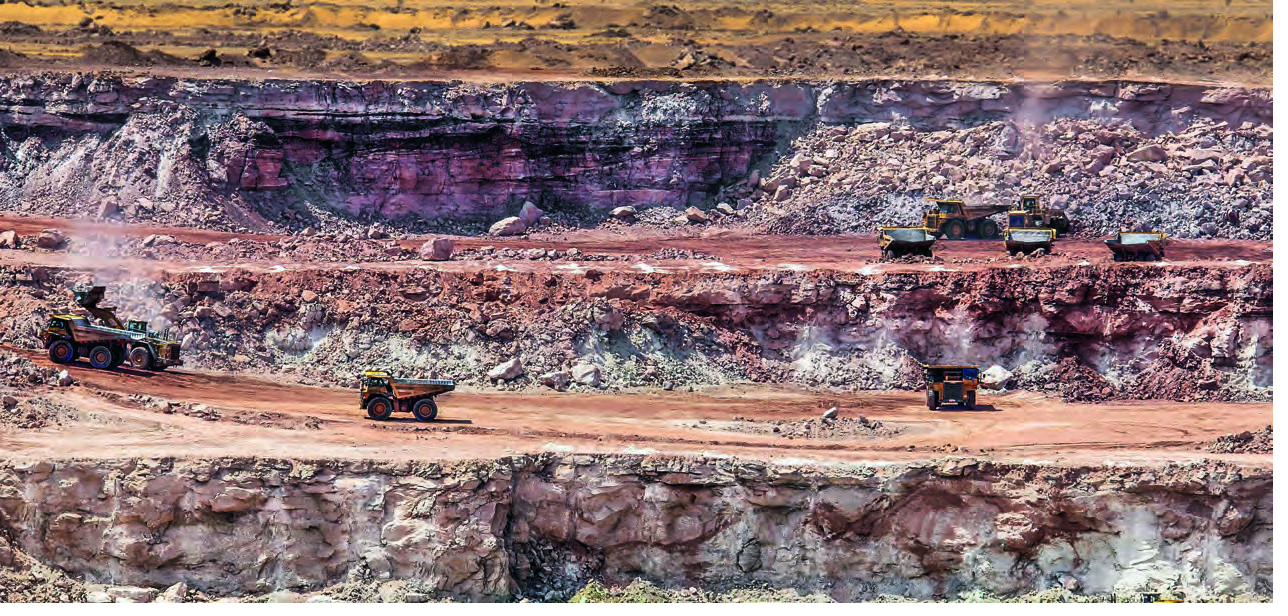
Niger, a uranium-exporting country, is particularly concerned by transports of uranium concentrates (yellowcake) from the Arlit mines to export ports. These transports represent the most significant flow and are subject to enhanced ARSN control.
The SSR-6 regulation defines several package types according to the radiological hazard of the transported materials. Each type meets different design and resistance requirements.
Packages containing materials with very low activity levels. Ordinary packaging is sufficient. No radioactive marking required on the outer package.
For low-activity or surface-contaminated materials (LSA). Designed to withstand normal transport conditions without significant release of material.
For common radioactive materials. Designed to maintain integrity under normal transport accident conditions. Activity limit set by material type.
For high-activity materials. Designed to withstand severe accidents: 9 m drop, drop on a spike, 800°C fire for 30 min, immersion. Bilateral or multilateral approval required.
For fissile or very high-activity materials transported by air. Withstands the most severe aircraft accidents. Very strict design requirements.
Packages containing fissile materials (U-235, Pu-239, etc.). Special requirements to prevent criticality during transport. Mandatory IAEA multilateral approval.
All packages of radioactive materials must bear regulatory labels to identify the hazard and the Transport Index (TI).
Very low radiation level. No special distance precaution required.
Moderate radiation level. Separation distance required from people and non-radioactive goods.
Significant radiation level. Loading control required. Transport plan mandatory.
Supplementary label for fissile materials. Criticality Safety Index (CSI) mandatory.
The shipper of radioactive materials is responsible for regulatory compliance of the transport. Here are the main obligations.
Any shipment of radioactive materials requires a transport authorisation issued by ARSN before departure.
Use approved packaging compliant with the required type (A, B, C, IP). Certifications must be currently valid.
Affix appropriate regulatory labels (category I/II/III YELLOW, fissile) and required markings (UN, activity, nature) on each package.
Prepare and attach to the transport the shipping document stating: technical name, UN number, category, TI, activity, shipper/consignee name.
Ensure that the carrier and driver have received the applicable regulatory training (ADR for road transport).
For category III and fissile transports: establish an emergency response plan and ensure the driver knows the instructions.
For type B packages and fissile materials: notify ARSN and the authorities of countries crossed of transport details at least 7 days in advance.
En cas d\'accident ou incident pendant le transport, notifier immédiatement l'ARSN et les autorités compétentes selon les procédures d'urgence.
All shipments of radioactive materials in Niger must be authorised by ARSN. Here are the steps.
Gather: material data sheet (name, UN number, activity, physical state), package description (type, approval), planned itinerary, shipper/consignee details, carrier training records.
Submit the file to ARSN's Radiation Protection Directorate or via the e-services portal. Indicate the planned shipment date to allow timely processing.
ARSN verifies compliance: appropriate package type, correct labelling, carrier training, itinerary. It may request additional information or a prior visit.
ARSN issues the transport authorisation with conditions to be met (itinerary, schedules, protective equipment, emergency instructions). Valid for the specific shipment.
ARSN may carry out checks en route. Security forces may verify documents at any checkpoint. The carrier must keep the authorisation in the vehicle.
Transport authorisation application, incident declaration and shipping documents.
DownloadIn the event of an accident involving radioactive materials: emergency procedures and ARSN number 24/7.
Emergency proceduresRadiation Protection Directorate — transport section, for any question about your authorisation.
Contacter